The First Two Minutes Saul Bass Changed Forever
Before the first scene begins, design is already telling you how to feel.
The lights dim. The room does that small collective shift people stop talking, someone leans back, a few last-minute snacks get unwrapped as quietly as possible. The screen goes dark for a beat longer than you expect.
Then the first shapes appear. Not the story yet. Just fragments. Type. Motion. Rhythm.
Most people treat opening credits like waiting time. The part you sit through until the movie begins.
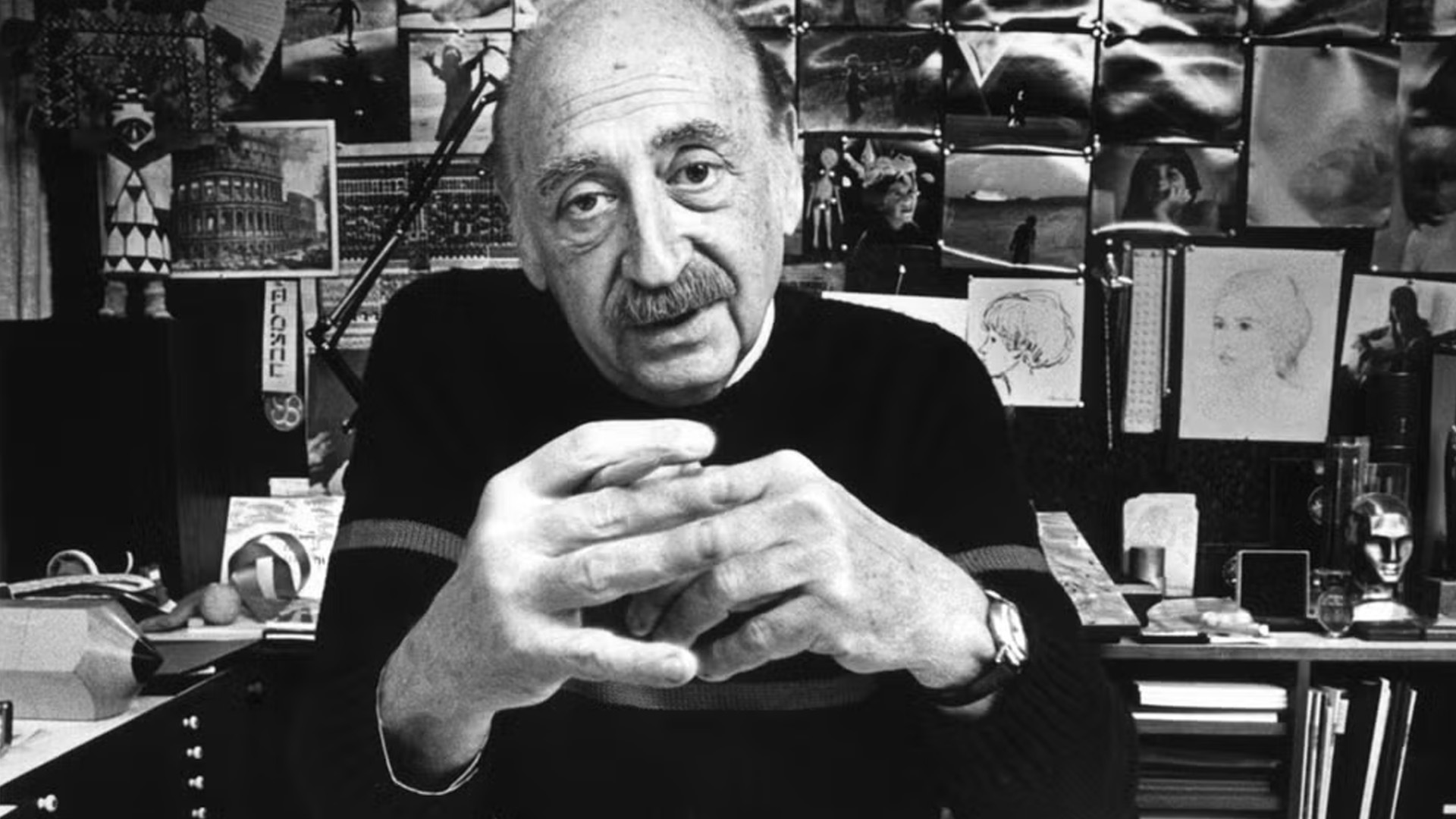
Saul Bass did not.
He treated those first minutes as part of the film. A title sequence, in his hands, was not a list of names. It was the film’s first sentence. And like any first sentence, it sets the terms.
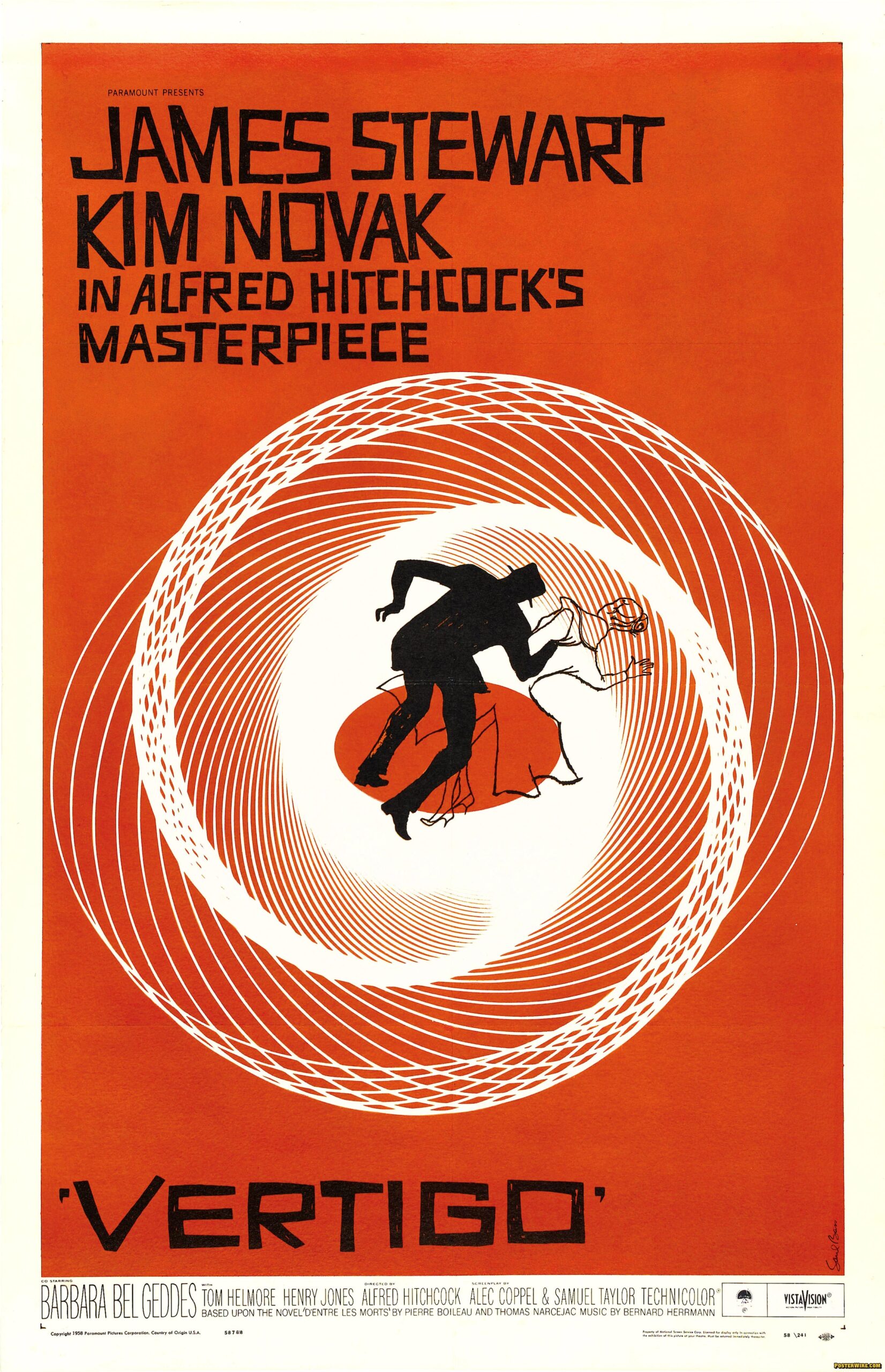
A good title sequence does something simple and difficult at the same time. It sets expectation without explaining. It hints without spoiling. It prepares your attention so the first scene lands with a specific kind of weight.
Bass understood that film is not only narrative. It is rhythm, tension, and anticipation. So he used shape, motion, and typography the way a director uses framing — giving the audience a feeling to carry into the first scene.
You might not remember the names.
But you remember how you entered the film.
That entry matters more than people admit. Because the first job of any story is not to impress you. It is to orient you.

That is Bass doing the quiet work. The sequence is not a summary of the plot. It is the mood, delivered with design. It tells you how to watch pay attention, nothing here is soft before the film has earned the right to say so with story.
Like slipping a note into your pocket before you walk through a door. You might not read it consciously. But you carry it in anyway.
A lot of modern motion design is polished. Perfect curves. Perfect easing. Beautiful and still somehow empty like a screensaver with good taste.
Bass was not chasing perfect. He was chasing meaning. His sequences often feel like they are built from a few strong decisions, not a hundred small effects. Simple forms. Bold contrast. Direct movement. Typography that feels chosen, not default.
The restraint makes the idea louder. That is why the work holds up. It was never relying on novelty. It was relying on clarity.
If you have ever skipped the opening credits on a streaming platform, you know the feeling. You drop into the story faster, but something is slightly off. Like entering a room mid-conversation. Like missing the handshake.
A title sequence is not the part before the story. It is the moment the story starts to work on you.